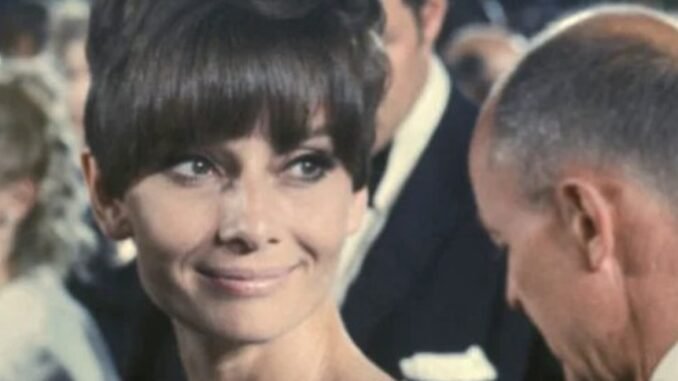
Flipping through vintage Oscar photos—especially from the 1970s—can feel like stepping into a time capsule. The atmosphere back then radiated a kind of magic: the Academy Awards were more than just a show; they were an event of prestige and allure. Stars of that era embodied a level of sophistication and glamor that many feel has faded over time.
There’s also a bittersweet undertone in viewing those images today. Many of the faces that once lit up the red carpet are now gone, a poignant reminder of how quickly time passes. There was a period when I could name every nominee, hum every nominated song, and had seen all the films in contention. Now, staying updated feels like a marathon.
A sentiment that often surfaces is that the 1975 Oscars marked the end of an era—when actors still carried themselves with grace and weren’t yet entangled in overt political messaging. While that view might be idealized, it reflects a longing for a perceived past simplicity.
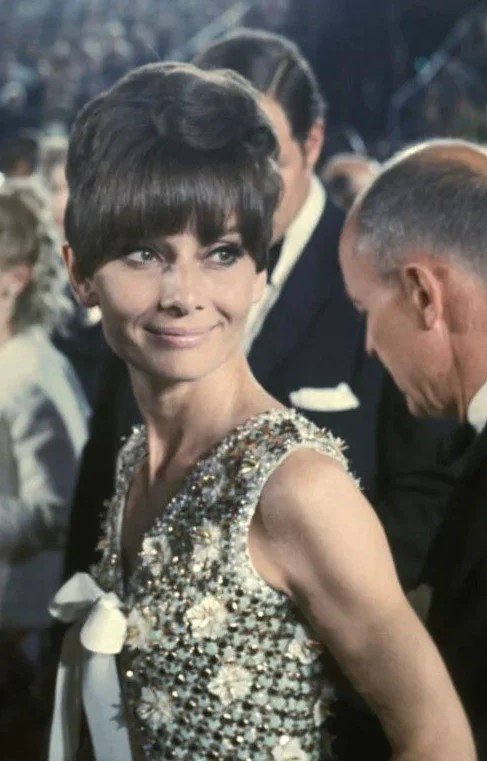
Let’s rewind to the 47th Academy Awards, a night that continues to be a talking point—largely because of one striking photograph that still generates heated discussion.
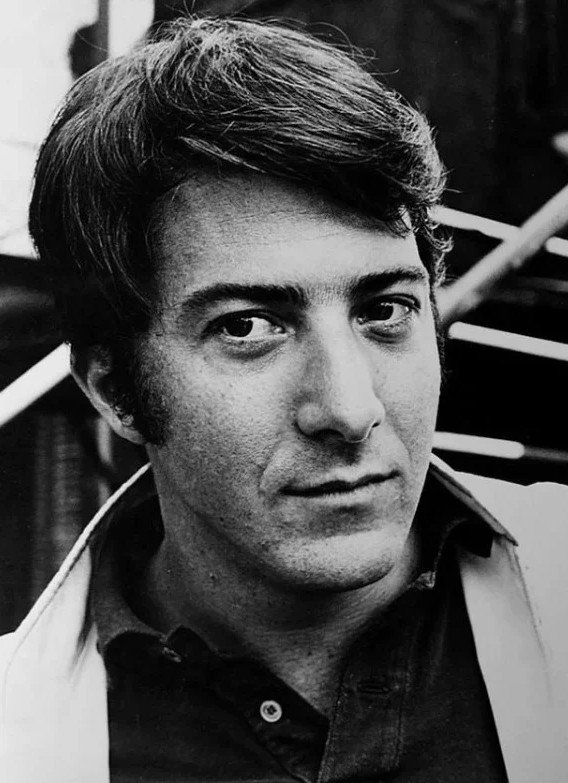
You can’t discuss the 1975 ceremony without mentioning Dustin Hoffman. Then nominated for his portrayal of comedian Lenny Bruce in Lenny, Hoffman wasn’t exactly eager to participate. He had openly criticized the Academy Awards, once labeling them “grotesque” and likening the spectacle to a pageant.
His disapproval didn’t go unnoticed. Bob Hope, the evening’s host, cracked, “If Dustin Hoffman wins tonight, a friend of his, George C. Scott, will pick it up for him,” referencing Scott’s prior Oscar rejection in 1971.
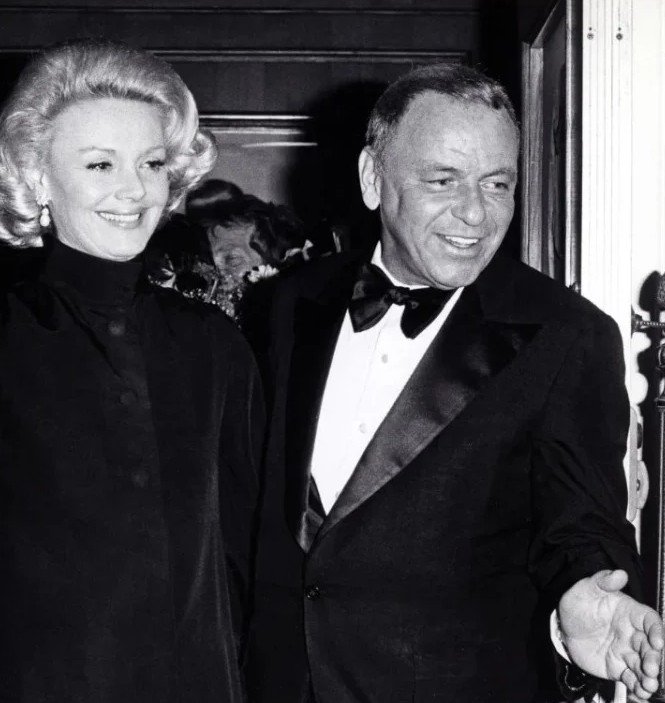
Though Hoffman left empty-handed that night, Frank Sinatra, co-hosting the show, took a jab at him that didn’t sit well with the crowd. Sinatra’s own performance as host was less than graceful—Roger Ebert later noted that he drew boos for his slurred speech and off-color humor, allegedly due to drinking.
Contrary to the belief that older Academy Awards avoided politics, 1975 was far from neutral. With the Vietnam War nearing its end, filmmaker Bert Schneider made waves when he read a message from the North Vietnamese ambassador while accepting the Best Documentary Oscar for Hearts and Minds. The message thanked the anti-war movement in the U.S.
Bob Hope, an ardent supporter of the war, retaliated by reading a follow-up telegram that distanced the Academy from Schneider’s message. This move frustrated both Shirley MacLaine and Warren Beatty, who felt the apology undermined Schneider’s speech. For some, Schneider’s comments were mild compared to his usual political fervor.
That night also celebrated the legendary Ingrid Bergman, who earned Best Supporting Actress for her role in Murder on the Orient Express. Now 59, Bergman was met with thunderous applause and delivered a modest speech, attributing her win to Hollywood’s lingering regret over the past scandal that once alienated her.
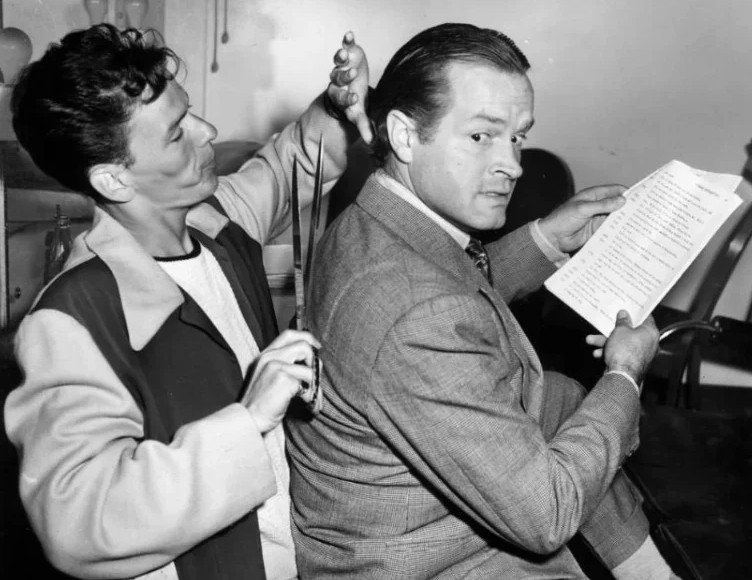
The ceremony, held at the Dorothy Chandler Pavilion, felt like the culmination of Hollywood’s classic era: lavish, glamorous, and brimming with unforgettable moments. Nearly five decades later, one moment from that night remains especially memorable—a photo that has sparked viral debates.
The picture in question features Jon Voight and Raquel Welch as they presented the award for Best Cinematography. Voight looked sharp in a black tuxedo, while Welch stunned in a flowing dusty-pink gown. Though neither was a nominee, their presence lit up the stage.
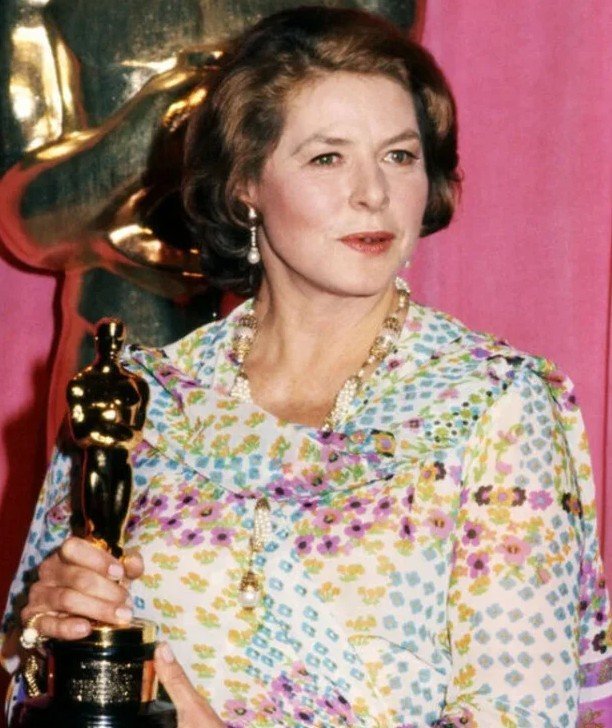
However, it wasn’t just their attire that caught attention. The photo went viral, triggering mixed reactions. Some viewers noted Voight’s physical gesture toward Welch as unsettling, with one person commenting, “Jon looks wild, and Raquel appears uncomfortable.” Others defended the moment, arguing that such interactions were normal for the time and shouldn’t be judged by modern standards.
So, what does this snapshot from 1975 tell us? Is it a charming relic of Hollywood’s golden age—or a subtle mirror of the industry’s more problematic past? We want to hear your perspective. Was this just another glitzy awards night, or something deeper? Share your thoughts and keep the conversation going.